Write On! Features: From Self-Published To Traditional Published To Self-Published To Traditional Published by R J Gould
- 13 February 2026
- News, WriteOn Features
I write commercial contemporary fiction and, to date, have published 11 novels. My journey to reach this point is anything but straightforward, moving between self-publishing and traditional publishing, and I’m still unable to recommend which route has the better outcomes.
I began writing fiction while working full-time, squeezing in the writing whenever I had a few hours to spare. On completing my first novel, The Engagement Party, in 2010, I followed the only course of action available at the time: sending three chapters, a covering letter and synopsis to literary agents. The feedback was encouraging, with more requests to see the full novel than either rejection letters or the dreaded (and dreadful) no reply at all. No doubt some reading this will have been asked to send a full manuscript and heard back with something along the lines of: I liked your book a lot. However, the market is tight and I can only take on two or three new authors each year. Sadly, I am unable to include your novel. Do keep writing and I wish you much luck in the future.
At the start of 2011, the UK book market was drastically and irreversibly changed with the emergence of Amazon kindle.
I’m a member of Cambridge Writers. In late 2011, four of us who had received several ‘not quite’ responses from agents decided to self-publish in the new kindle marketplace. It wasn’t as straightforward as now to submit a manuscript – knowledge of HTML was required and covers were not easy to create, but fortunately we had a tech expert on board. There followed an amazing few months of high sales and rankings ahead of the outlet becoming mainstream and flooded with an abundance of novels. Visibility is key to sales on Amazon and this comes at a cost: namely, advertising. Currently, with over a million novels published each year, gaining and retaining visibility is more difficult than ever.
By mid-2012, a further significant change was disrupting the book market: Indie publishing houses were setting up to accept manuscripts directly from authors without requiring an agent intermediary.
While attending a Romantic Novelists’ Association annual conference in 2014, I was approached by the founder of Accent Press and offered a two-book contract. The following year, a third novel, Jack And Jill Went Downhill, was taken on by the indie publisher Lume Books. The model for these and other indie publishers is to focus on eBook sales with paperback production restricted to Print on Demand. This keeps costs down but does require substantial, astute marketing. Unfortunately, neither of my publishers delivered on sales.
It’s worth noting that, currently, several indie publishers are thriving using this model of direct contact with authors and concentration on eBooks, bringing considerable success for some, though not all, of their authors. The most successful publishers are now flooded with submissions and only take on a small percentage of what they get to see. They choose you; you don’t choose them any more.
Then along came COVID in 2020, together with retirement from my mainstream job. I decided this was an opportunity to return to self-publishing, with the time to do it properly, including having full control of publicity and marketing. Fortunately, in setting up the contracts with my two publishers, I’d inserted a get-out clause to allow a return of copyrights if sales did not reach a certain level. It’s worth joining Society of Authors if you’re offered a contract, because their legal team can send a detailed evaluation of a contract as part of their service. This is how I got the idea of the escape clause.
With an avalanche of guidance on how to market eBooks, I dedicated three months assessing best practice. The quality of advice was, and is, mixed, with some offered at extremely high cost. I downloaded ‘how-to’ books but didn’t enrol on any course. One lesson was clear from my research: it’s essential to gain visibility, unsurprisingly so, because if the potential reader can’t see your novel, they won’t be purchasing it!
A second learning point, based on my experience (which might be different for other authors), is that social media channels, book tours and guest blogs have little impact on sales. The only thing that has worked for me is advertising: on Amazon itself, Facebook, BookBub and some promotion sites (others being a waste of money). The margins of expenditure against revenue are small, so it’s essential to research, test and start modestly, or else money can fly out of your account with a negative return.
I set a five-year timespan to see if I could make a success of self-publishing. In terms of number of downloads and the quantity and quality of reviews, it’s gone well. In terms of profitability, far less so. I’ve had to advertise to gain my readers and, with those million-plus new releases each year, it’s a challenge to retain them.
In early 2025, with the five years up and a new novel completed, I decided to try for a publisher again, though happy to self-publish if necessary. Vinci Books was recommended and they’ve taken on my new book plus some of my backlist, their decision influenced by my past track record of reviews on Amazon. Although too soon to evaluate sales success, the publisher has made a good start, including with the redesigning of my covers.
I’ve been told that, for every ten novels put out by a publisher, one hits gold, two break even and seven dive. The tendency is for traditional publishers to pump money into the one showing promise from the outset. But the eBook market is different, because visibility is the driver of sales and the main driver of visibility is advertising. Herein lies the dilemma for the indie publisher: how much upfront expenditure to commit, in effect an investment ahead of gaining sales revenue?
So, here are my recommendations.
Firstly, write because you love writing and accept feedback from friends, family, anyone.
Secondly, be prepared for setbacks such as agents not getting back to you, because setbacks are more the norm than the exception. You might never be able to make a career as an author. Are you comfortable with that?
Thirdly, it’s perfectly acceptable to self-publish and, at the same time, seek a literary agent and/or a publisher. In the old days – about ten years ago! – it was considered inferior to self-publish and the traditional publishers avoided such authors. That has shifted. Success, based on the quantity and quality of reviews on Amazon, is now seen as proof of marketability and is therefore attractive.
By testing the market and building up a small fan base, I have people reading and enjoying my writing. The alternative to self-publishing would have been to wait until a literary agent bites: if successful, wait as they try to find you a publisher and, if that’s successful, wait the many, many months until the book appears on the shelves. I’m impatient – I want people to read my novels now!
*****
R J Gould writes contemporary fiction about relationships, using a mix of wry humour and pathos to describe the tragi-comic life journeys of his characters. He is published by Vinci Books and also self-publishes. Before becoming a full-time author, he worked in the education and charity sectors. In addition to an addiction to telling stories, he has milder addictions to playing tennis, watching film noir, completing Wordle and eating dried mango slices. R J Gould lives in Cambridge, England.
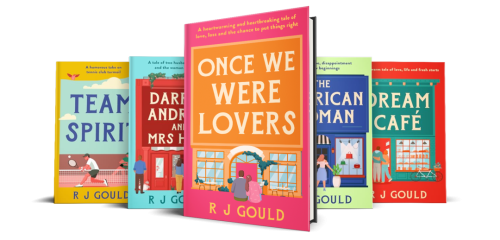 You can visit www.rjgould.info to find out more about the author including special offers and giveaways.
*****
Issue 27, featuring eco-poet Sarah Westcott is out now. You will be able to find it in libraries and other outlets. Alternatively, all current and previous editions can be found on our magazines page here.
You can hear great new ideas, creative work and writing tips on Write On! Audio. Find us on all major podcast platforms, including Apple and Google Podcasts and Spotify. Type Pen to Print into your browser and look for our logo, or find us on Podcasters.Spotify.com.
*****
If you or someone you know has been affected by issues covered in our pages, please see the relevant link below for information, advice and support: https://pentoprint.org/about/advice-support/
Related News

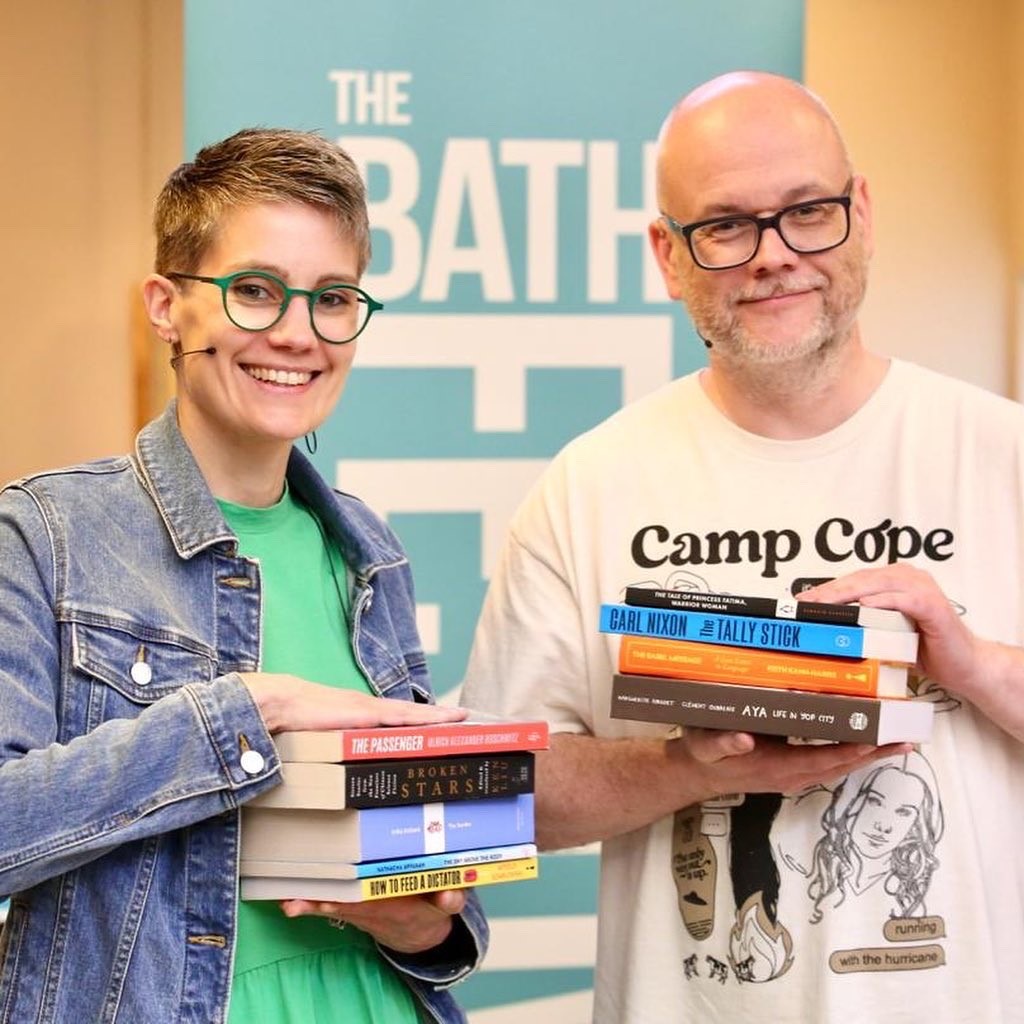
Write On! Features: Authors And Their Cats by Judith Robinson and Scott Pack
- 23 September 2022
- News, WriteOn Features
