Write On! interviews Alice Charles
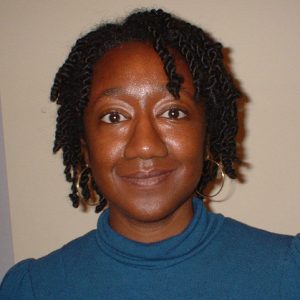
Alice Charles is a journalist and screenwriter whose work has been optioned by companies around the world, including the BBC, newspapers, magazines and websites. She has worked publications such as The Financial Times, Yahoo! and She Caribbean Magazine, based in St Lucia, where she was Editor-in-chief.
WO: How would you describe your writing/work to someone new to it?
AC: With my journalism background, I’m drawn to stories that come from a real place – but I also love inventing stories that explore geopolitics, race, gender and comment on contemporary issues. I have a global outlook I bring to my writing, and I have projects that take place in countries around the world. I like to think I write authentically and tell stories that are always surprising, exciting and dangerous, with heart and soul.
WO: Can you tell us a bit about your latest project?
AC: I’m currently finishing my novel, Sidepiece Rules, a thriller and commercial women’s fiction hybrid, based on my experience as a court and crime reporter and working on women’s magazines.
WO: What inspired you to write in the first place, and what inspires you now?
AC: As a journalist, many of my ideas come from news stories but also it might be something remembered, perhaps an event or something someone once revealed about their life, that ignites my imagination. My parents came from the Caribbean and moved to England in the 1960s. As the child of immigrants, I find I’m drawn to writing particular kinds of stories, giving voice to those not heard. My work addresses contemporary issues, often in challenging and controversial ways, whether it’s exposing lies or drawing attention to uncomfortable truths.
WO: Recently, Write On! explored the theme of ‘Borrowed,’ reflecting on the idea of what is borrowed. Writers inevitably draw on stories, structures and voices that have come before them. How do you navigate influence while maintaining a distinct creative voice?
AC: I think of William Shakespeare, who drew inspiration from myths, folklore, legends and the past work of European playwrights to create something new and distinctly British. When I was a teenager, everything changed when I discovered the work of James Baldwin, especially his essay, The Fire Next Time. I was mesmerised by his work, its beauty and awesome power, devouring every word he wrote – and everything written about him (even the declassified FBI files; Baldwin’s file was the largest in the agency’s history).
Through Baldwin, I realised you could write the world as you saw it and that writing could be revolutionary.
WO: What one piece of advice would you give an aspiring writer?
AC: There’s an old saying: “Writing = arse + chair.”Just begin! There’s nothing so paralysing as staring at a blank page. Whatever form you are writing, you can begin with a conversation between two characters, for example. Regardless of whether or not this ends up in the final draft, it’s a good exercise to get your creative juices flowing.
WO: Question from Instagram user @clareloucoop : What would you say are the main differences between novel writing and script writing?
AC: As has often been said, screenplays are about structure. There are very definite story beats you must hit. That said, novels such as Suzanne Collins’ The Hunger Games are very filmic in the way they are written, and there does seem to be a move in publishing towards such books. It’s difficult to imagine a book like James Joyce’s Finnegan’s Wake being published today.
WO: Can you tell us anything about future projects?
AC: Last year, I started work on a Caribbean-set horror movie, which I plan to return to, as well as finishing off a play set in 17th-century London.
WO: Lastly, if you could choose one fictional animal/creature to be a pet or companion, who would it be and why?
AC: Pan, the half-goat, half-human god of the wild. You’d never be bored, that’s for sure.
You can find out more about Alice Charles here: alicecharlescolormecreative.substack.com
*****
Issue 30, featuring Gillian McAllister is out now. You will find it in libraries and other outlets. Alternatively, all current and previous editions can be found on our magazines page here.
You can hear great new ideas, creative work and writing tips on Write On! Audio. Find us on all major podcast platforms, including Apple and Google Podcasts and Spotify. Type Pen to Print into your browser and look for our logo, or find us on Podcasters.Spotify.com.
*****
If you or someone you know has been affected by issues covered in our pages, please see the relevant link below for information, advice and support: https://pentoprint.org/about/advice-support/